


Understanding Uganda’s Gold Industry, Sources, Mining, and Global Trade
Why Much of the High-Purity Gold Traded in Uganda Comes From the Democratic Republic of Congo
Uganda has become one of East Africa’s most important gold trading and export hubs. Over the past decade, international investors, refiners, and commodity buyers have increasingly searched for opportunities to buy gold in Uganda because of the country’s growing position within the African gold market.
However, one important fact many international buyers do not fully understand is that a large portion of the gold traded and refined in Uganda originates from neighboring countries, especially the Democratic Republic of Congo (DRC).
The Democratic Republic of Congo is widely known as one of Africa’s richest mineral-producing nations. The country contains vast natural resources, including some of the region’s most significant gold deposits.
Because of the DRC’s massive gold reserves and ongoing mining activities, much of the high-purity gold that enters Uganda’s trading system is sourced from Congo before being refined, traded, and exported through regional channels.
This is one of the reasons Uganda has become a major gold trading center in East Africa.
In this detailed guide, we explain:
- Where Uganda gold comes from
- The role of Congo in East African gold trade
- Why Congolese gold is highly valued
- How gold reaches Uganda
- Gold refining and export processes
- Why international buyers are interested in Congo gold
Understanding Uganda’s Role in African Gold Trade
Uganda serves as an important regional trading and export hub within East Africa’s mineral industry.
The country’s gold sector involves:
- Local gold mining
- Regional gold trade
- Gold refining
- International exports
- Commodity investment operations
Although Uganda has domestic gold mining activities, much of the gold circulating through Uganda’s gold market is connected to regional African trade networks.
Among neighboring countries, the Democratic Republic of Congo plays one of the largest roles in supplying gold into the regional market.
Why Congo Is Rich in Gold
The Democratic Republic of Congo is one of the most mineral-rich countries in the world.
The country possesses vast deposits of:
- Gold
- Copper
- Cobalt
- Diamonds
- Tin
- Coltan
Eastern Congo, in particular, contains extensive gold-rich regions that have supported mining activities for many years.
These gold deposits are highly valued because of:
- Large reserve quantities
- High mineral concentration
- Strong purity potential
- Significant international demand
Many investors and traders recognize Congolese gold as some of the most sought-after gold in the African market.
Why Congolese Gold Is Known for High Purity
One reason Congo gold attracts international attention is because some mining regions produce high-purity gold with strong refining potential.
Professional refiners and gold traders often value Congolese gold because:
- It can contain high gold concentration
- It responds well to refining processes
- It meets international investment demand
- It has strong commercial value
After proper refining and purification, gold sourced from Congo can achieve very high purity levels suitable for:
- International trade
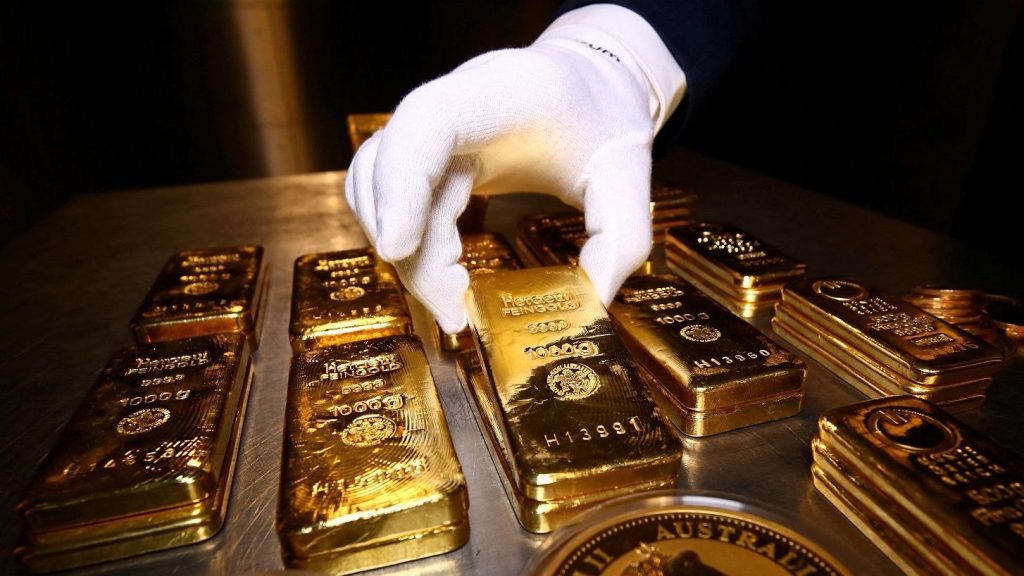
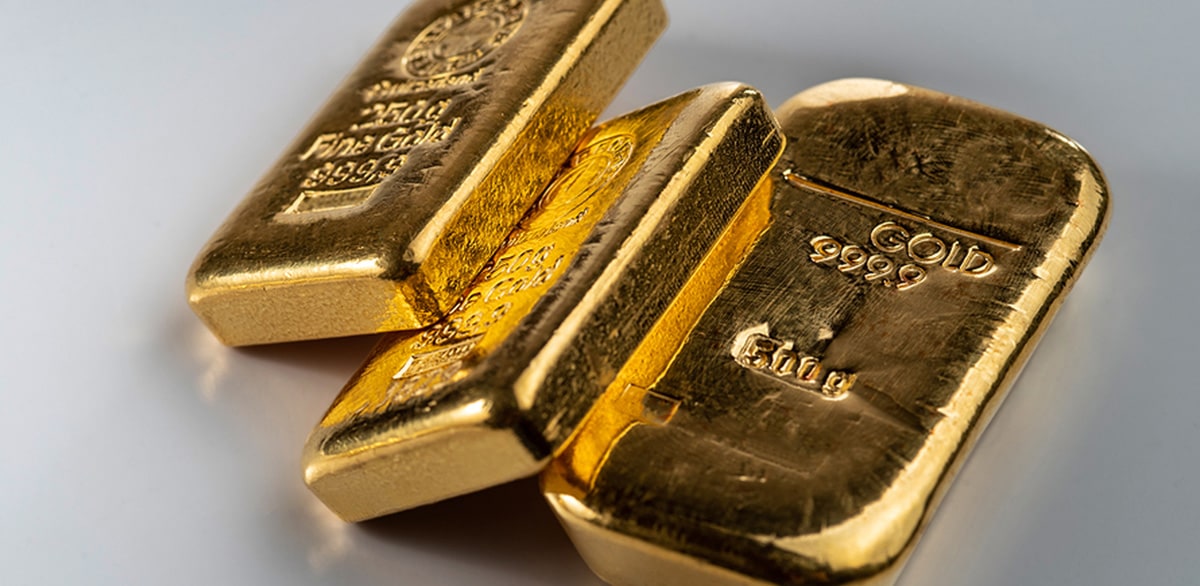
- Investment gold bars
- Refinery supply chains
- Jewelry manufacturing
High-purity gold is especially attractive because it holds stronger international market value.
How Congo Gold Reaches Uganda
Uganda’s strategic geographic position makes it an important transit and trading center within East Africa.
Gold from Congo may enter Uganda through regional trade networks involving:
- Traders
- Mining suppliers
- Refiners
- Export companies
- Commodity brokers
Once the gold enters Uganda, it may undergo:
- Verification
- Purity testing
- Refining
- Documentation
- Export processing
Professional gold companies operating in Uganda help facilitate these processes for international buyers and investors.
Uganda as a Gold Refining and Export Hub
Uganda has developed strong regional importance because it supports:
- Gold trading
- Refining operations
- International export coordination
- Commodity logistics
International buyers often prefer dealing through structured export channels because they provide:
- Professional handling
- Gold verification
- Export documentation
- International shipping coordination
This has helped Uganda become a recognized center within East Africa’s growing gold trade industry.
The Gold Refining Process
Raw gold from mining areas is rarely ready for international markets immediately after extraction.
Gold refining helps:
- Remove impurities
- Improve purity levels
- Increase market value
- Meet international trade standards
Professional refiners use advanced methods to produce investment-grade gold suitable for export and global commodity markets.
Understanding Gold Purity
Gold purity is usually measured using karats or percentage levels.
| Purity Level | Description |
|---|---|
| 24K | Pure gold |
| 22K | High-purity gold |
| 18K | Gold mixed with alloy metals |
Professional testing methods include:
- XRF analysis
- Density testing
- Laboratory certification
- Refinery verification
These procedures help ensure authenticity and international quality standards.
Why International Buyers Search for Gold in Uganda
Global demand for physical gold continues increasing because investors view gold as a safe-haven asset.
International buyers search for:
- Buy gold in Uganda
- Congo gold suppliers
- African gold exporters
- Uganda gold dealers
- High-purity African gold
This demand is driven by:
- Inflation concerns
- Economic uncertainty
- Wealth preservation strategies
- Growing global investment demand
Gold remains one of the world’s most trusted stores of value.
The Importance of Legal and Transparent Gold Trade
As international demand increases, transparency and compliance become increasingly important within the gold industry.
Professional gold exporters prioritize:
- Legal documentation
- Gold verification
- Export compliance
- Secure transactions
- Ethical sourcing procedures
International buyers are more likely to work with suppliers who provide professional and transparent processes.
Ethical Sourcing and Responsible Trade
The global gold industry continues placing greater importance on responsible sourcing practices.
Professional gold companies increasingly focus on:
- Ethical trade standards
- Supply chain transparency
- Environmental responsibility
- Compliance with international regulations
Responsible sourcing helps strengthen investor confidence and supports long-term industry growth.
Why Gold Remains Valuable Worldwide
Gold has maintained global value for thousands of years because of:
- Limited supply
- Strong international demand
- Historical trust
- Inflation resistance
- Long-term stability
Unlike paper currencies, physical gold has intrinsic value and global liquidity.
This is one reason central banks worldwide continue increasing gold reserves.
The Future of East African Gold Trade
East Africa’s role within the global gold market is expected to continue growing as:
- Gold demand rises
- African mineral trade expands
- International investment increases
- Refining capacity improves
- Export infrastructure develops
Uganda’s position as a regional trade and export hub will likely remain important within this evolving market.
At the same time, Congo’s vast gold reserves will continue playing a major role in supplying high-value gold into regional and international trade systems.
Frequently Asked Questions About Uganda and Congo Gold
Does Uganda produce its own gold?
Yes. Uganda has domestic gold mining activities in several regions.
Does some gold traded in Uganda come from Congo?
Yes. Uganda participates in regional East African gold trade networks that include gold sourced from Congo.
Why is Congo gold highly valued?
Congolese gold is known for strong refining potential and high-purity output after processing.
Why do investors buy African gold?
Africa contains significant mineral resources and plays a growing role in global gold production.
Is gold still a strong investment in 2026?
Many investors continue viewing gold as one of the safest long-term stores of value.
Final Thoughts
Uganda has become one of East Africa’s leading gold trading and export hubs because of its strategic location, refining activities, and growing participation within regional African mineral markets.
While Uganda has domestic gold mining operations, much of the high-purity gold circulating through regional trade networks is connected to the Democratic Republic of Congo, one of Africa’s richest gold-producing nations.
As global demand for physical gold continues increasing, both Uganda and Congo are expected to remain highly important players within the future of African gold trade and international precious metals markets.