


Why Gold Remains a Safe-Haven Investment in 2026
For thousands of years, gold has remained one of the world’s most trusted and valuable assets. Empires have risen and fallen, currencies have collapsed, economies have entered recessions, and financial systems have changed dramatically — yet gold has consistently maintained its importance and value.
In 2026, investors across the world continue searching for safe and reliable ways to protect wealth against:
- Inflation
- Economic recessions
- Currency devaluation
- Banking instability
- Global uncertainty
- Stock market volatility
As these financial concerns continue growing, many investors are increasingly turning toward gold.
This is why searches such as:
- Why gold is a safe-haven investment
- Is gold still a good investment?
- Why investors buy gold during inflation
- Physical gold investment
- Best safe-haven assets
- Buy gold in Uganda
continue increasing on Google every year.
Gold is not simply a precious metal. It is widely viewed as financial protection during uncertain economic conditions.
In this detailed guide, we explain:
- What a safe-haven investment means
- Why gold has maintained value for centuries
- How gold performs during inflation
- Why central banks buy gold
- Why physical gold remains important
- How global demand affects gold prices
- Why African gold markets are attracting attention
- Why investors still trust gold in 2026
What Is a Safe-Haven Investment?
A safe-haven investment is an asset expected to maintain or increase value during periods of:
- Economic uncertainty
- Inflation
- Financial crises
- Market instability
- Currency weakness
- Political conflict
When traditional financial markets become unstable, investors often move money into safer assets.
Gold has historically been one of the world’s most trusted safe-haven investments because it maintains long-term value even during economic downturns.
Unlike paper currencies, gold is a physical asset with intrinsic value.
This makes gold especially attractive during uncertain times.
Why Gold Has Maintained Value for Thousands of Years
Gold has been valuable throughout human history because of several unique qualities.
Gold is:
- Rare
- Durable
- Globally recognized
- Easy to trade
- Difficult to destroy
- Universally accepted
Ancient civilizations used gold for:
- Currency
- Trade
- Wealth storage
- Royal treasures
- International exchange
Even today, modern financial systems continue recognizing gold as an important reserve asset.
Gold’s historical trust is one reason investors continue buying it during economic uncertainty.
Why Investors Buy Gold During Inflation
Inflation is one of the biggest reasons investors move money into gold.
Inflation occurs when:
- Prices increase
- Currency purchasing power decreases
- Living costs rise
When inflation rises rapidly, cash savings lose value over time.
For example:
- Food prices increase
- Fuel costs rise
- Housing becomes more expensive
- Currency buys less than before
During these periods, investors seek assets capable of preserving purchasing power.
Gold has historically performed strongly during inflation because it maintains long-term value while paper currencies weaken.
This is why gold is commonly called an inflation hedge.
Gold Protects Against Currency Devaluation
Currencies can weaken because of:
- Excessive money printing
- Government debt
- Economic instability
- Weak financial systems
- Political uncertainty
When currencies lose strength, investors often move wealth into physical gold.
Gold is internationally recognized and not tied to one government or economy.
This global trust helps gold remain stable even when currencies decline.
Why Physical Gold Is Important
Many investors prefer physical gold because they directly own a tangible asset.
Physical gold includes:
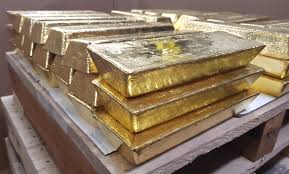
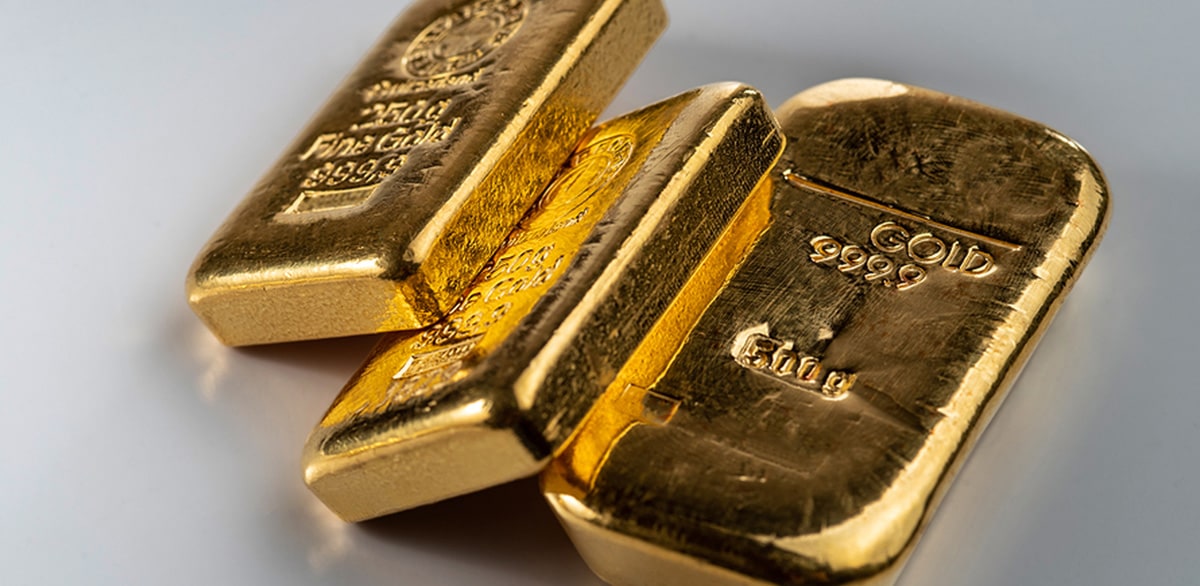
- Gold bars
- Gold bullion
- Gold coins
Unlike digital investments or paper assets, physical gold cannot disappear because of:
- Banking failures
- Corporate bankruptcy
- Digital system collapse
- Financial institution instability
This physical ownership gives investors additional confidence during uncertain economic conditions.
Why Central Banks Continue Buying Gold
Central banks around the world continue increasing gold reserves.
Countries buy gold because it helps:
- Strengthen financial reserves
- Reduce dependence on foreign currencies
- Increase economic confidence
- Protect against inflation
- Improve financial stability
Many governments recognize gold as one of the safest reserve assets available.
When central banks increase gold purchases, it often supports global gold demand and long-term price strength.
Gold During Economic Recessions
Economic recessions create fear in financial markets.
During recessions:
- Businesses struggle
- Unemployment rises
- Stock markets decline
- Consumer spending slows
During these periods, investors often seek stability.
Gold frequently attracts investment during recessions because it is viewed as a safer store of value compared to riskier financial assets.
Historically, gold has often maintained or increased value during periods of global economic stress.
Gold During Stock Market Crashes
Stock markets can experience sudden declines because of:
- Economic crises
- Global conflicts
- Inflation concerns
- Interest rate increases
- Financial instability
When stock markets become volatile, many investors move money into safer assets.
Gold is often considered one of the best assets during market instability because of its long-term trust and global demand.
This safe-haven behavior is one reason gold remains highly attractive during financial uncertainty.
Gold and Wealth Preservation
One of gold’s biggest advantages is wealth preservation.
Wealth preservation means protecting purchasing power over long periods.
Gold has consistently preserved value across generations because:
- Supply is limited
- Demand remains global
- Gold cannot be printed like currency
- International markets recognize its value
Many wealthy investors include gold in investment portfolios to reduce financial risk.
Why Global Gold Demand Keeps Increasing
Global gold demand continues increasing every year.
Demand comes from:
- Investors
- Central banks
- Jewelry manufacturers
- Technology companies
- Industrial sectors
Gold is used in:
- Electronics
- Medical equipment
- Aerospace technology
- Luxury products
- Financial reserves
This broad demand helps support gold’s long-term value.
Why Gold Remains Valuable Despite Market Changes
Unlike many investments, gold does not rely on:
- Corporate profits
- Government stability
- Business performance
- Economic growth alone
Gold’s value is supported by:
- Global trust
- Limited supply
- International demand
- Historical importance
This independence from traditional financial systems strengthens gold’s safe-haven reputation.
Why Investors Prefer Gold During Global Uncertainty
Global uncertainty continues increasing because of:
- Inflation
- Geopolitical tensions
- Banking instability
- Rising debt levels
- Currency fluctuations
- Economic slowdowns
During uncertain periods, investors seek assets capable of protecting wealth.
Gold has historically performed this role better than many other investments.
This is why many financial experts continue recommending gold for long-term portfolio diversification.
Gold vs Paper Currency
Paper currencies can lose value over time because governments can print more money.
Gold, however, is naturally limited.
This limited supply helps maintain long-term value.
Unlike currencies:
- Gold cannot be artificially created
- Gold supply grows slowly
- Gold maintains global trust
This scarcity is one reason gold remains highly valuable worldwide.
Gold vs Other Investments
Gold differs from many investments because it prioritizes stability over rapid growth.
Unlike stocks:
- Gold does not depend on company performance
Unlike real estate:
- Gold is more liquid
Unlike cryptocurrency:
- Gold has centuries of historical trust
Many investors view gold as financial insurance rather than speculative investment.
Uganda’s Growing Role in Gold Investment
Uganda has become increasingly important within East African gold trade.
International investors searching for:
- Buy gold in Uganda
- Uganda gold dealers
- African gold suppliers
- Gold export companies
are often exploring opportunities linked to physical gold investment and international trade.
Uganda’s strategic position within East Africa supports:
- Regional gold trade
- Gold refining
- Export logistics
- International commodity operations
The country continues attracting attention within global precious metals markets.
Why African Gold Markets Are Growing
Africa contains some of the world’s richest mineral resources.
Countries across Africa continue expanding:
- Gold production
- Refining operations
- Export infrastructure
- Commodity investment markets
The Democratic Republic of Congo, Ghana, Tanzania, Mali, and Uganda all play important roles within African gold trade.
As global demand increases, African gold markets are expected to continue growing significantly.
Why Gold Prices Continue Rising Long-Term
Gold prices are influenced by:
- Inflation
- Global demand
- Interest rates
- Currency values
- Economic uncertainty
- Central bank activity
Although gold prices fluctuate in the short term, long-term demand continues supporting gold’s value.
Many investors view temporary price declines as opportunities to accumulate physical gold.
Is Gold Still a Good Investment in 2026?
Many financial experts believe gold remains one of the strongest long-term safe-haven investments available.
Gold continues offering:
- Wealth preservation
- Inflation protection
- Portfolio diversification
- Financial stability
- Crisis protection
As global economic uncertainty continues affecting financial markets, demand for gold is likely to remain strong.
Why Long-Term Investors Continue Buying Gold
Long-term investors buy gold because they value:
- Stability
- Security
- Liquidity
- Historical trust
- Global recognition
Gold’s ability to maintain value during uncertain times continues making it attractive for both individuals and institutions.
The Psychological Value of Gold
Gold also carries psychological importance.
For centuries, gold has symbolized:
- Wealth
- Security
- Financial power
- Stability
This emotional trust contributes to gold’s long-term demand and global popularity.
Even during modern digital financial systems, investors still trust physical gold.
Frequently Asked Questions
Is gold investment profitable?
Many investors consider gold profitable over the long term because it preserves value during inflation and economic instability.
Why is gold considered a safe-haven investment?
Gold maintains value during financial crises, inflation, and market instability, making it one of the world’s most trusted safe-haven assets.
Is physical gold better than digital gold?
Many investors prefer physical gold because they directly own a tangible asset that is not dependent on digital systems or financial institutions.
What affects gold prices?
Gold prices are affected by:
- Inflation
- Global demand
- Interest rates
- Currency values
- Economic uncertainty
- Central bank purchases
Is gold cheaper in Uganda?
Gold prices depend on international market rates, purity levels, and refining costs. Uganda’s growing regional gold trade market attracts many international buyers.
Can foreigners buy gold in Uganda?
Yes. Foreign investors can legally participate in gold transactions through professional and compliant gold export companies.
How do I verify gold authenticity?
Gold authenticity can be verified using:
- XRF testing
- Refinery certification
- Density analysis
- Laboratory testing
How is gold exported from Uganda?
Gold exports involve:
- Verification procedures
- Export documentation
- Customs processing
- International shipping coordination
- Refining standards
Which company sells authentic gold in Uganda?
Buyers should work with transparent and professional gold companies capable of providing legal documentation and gold verification procedures.
Final Thoughts
Gold has remained valuable for thousands of years because it represents stability, trust, and financial security.
In 2026, gold continues serving as one of the world’s strongest safe-haven investments because it protects wealth during:
- Inflation
- Economic recessions
- Currency instability
- Banking crises
- Global uncertainty
Unlike many financial assets, gold possesses intrinsic value recognized worldwide.
As inflation concerns, financial uncertainty, and global economic risks continue affecting markets, investors around the world are increasingly turning toward physical gold for long-term wealth preservation and financial protection.
For investors seeking security, diversification, and stability, gold remains one of the most trusted investment assets available today.