


Introduction
Uganda has become one of the fastest-growing gold trading hubs in East Africa. Over the past several years, the country has attracted international investors, gold traders, refiners, and commodity buyers seeking reliable African gold supply opportunities.
The increasing global demand for gold has strengthened Uganda’s position within the international gold market. Buyers from Europe, Asia, the Middle East, and other regions continue searching for trusted gold dealers in Uganda to source investment-grade gold and establish long-term trading partnerships.
However, many international buyers still do not fully understand how gold export works in Uganda. Questions about licensing, legal procedures, export documentation, gold verification, taxes, and international shipping are very common.
This complete guide explains:
- How gold export works in Uganda
- Legal requirements for gold export
- Gold verification procedures
- Export licenses and documentation
- International shipping processes
- Common risks buyers should avoid
- Why Uganda is attracting global gold investors
Understanding these procedures helps international buyers participate safely and professionally within the Uganda gold market.
Uganda’s Growing Role in the African Gold Industry
Africa remains one of the world’s richest regions in mineral resources, and gold continues to play a major role in international trade and investment.
Uganda has become increasingly important because of:
- Growing gold trade activity
- Regional export opportunities
- International investor interest
- Expanding African gold markets
- Strategic East African trade location
The demand for African gold continues increasing as investors seek diversified supply chains and long-term commodity investment opportunities.
Gold remains highly valuable because it serves multiple global industries including:
- Investment markets
- Jewelry manufacturing
- Electronics and technology
- Central bank reserves
As global uncertainty continues affecting financial markets, international demand for physical gold remains strong.
Understanding the Gold Export Process in Uganda
Gold export involves several regulated procedures designed to ensure:
- Legal compliance
- International trade transparency
- Gold authenticity
- Financial security
- Proper documentation
Professional gold exporters in Uganda typically manage the process from sourcing and testing to export coordination and international delivery.
Step 1: Gold Sourcing and Verification
Before export begins, the gold must first undergo verification procedures.
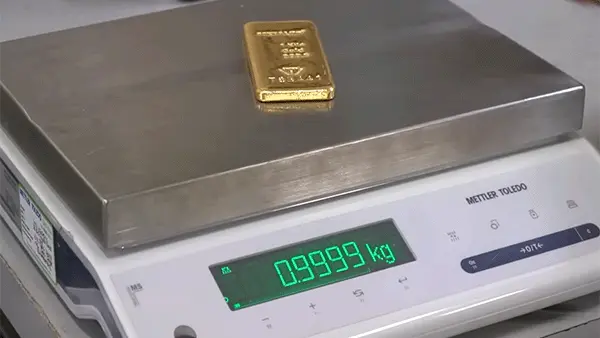
Professional gold dealers in Uganda conduct purity analysis and authenticity testing to ensure compliance with international trade standards.
Common Gold Verification Methods
XRF Testing
X-ray fluorescence analysis is one of the most accurate non-destructive testing methods used to determine gold purity.
Density Testing
Gold has a unique density that helps distinguish genuine gold from counterfeit metals.
Refinery Certification
Professional refiners verify purity levels and prepare documentation for international trade.
Understanding Gold Purity
Gold purity is measured using karats or percentage levels.
| Gold Purity | Description |
|---|---|
| 24K | Pure gold |
| 22K | High purity investment gold |
| 18K | Gold mixed with other metals |
International buyers typically prefer high-purity gold suitable for investment or refining purposes.
Step 2: Export Documentation and Licensing
One of the most important aspects of gold export in Uganda is legal compliance.
Professional exporters handle documentation required for international trade operations.
Common Export Documents Include:
- Export permits
- Commercial invoices
- Gold purity certificates
- Refinery reports
- Customs documentation
- Shipping documentation
Proper documentation helps protect both buyers and sellers while ensuring compliance with trade regulations.
Why Documentation Matters
Transparent documentation is essential because international buyers need confidence that:
- The gold is authentic
- Export procedures are legal
- The transaction is compliant
- Shipment details are accurate
Professional gold companies prioritize transparency because trust is critical within international commodity trading.
Step 3: International Gold Shipping Procedures
After verification and documentation are completed, export logistics begin.
Gold shipments require secure handling due to the high value of the commodity.
Export Coordination May Include:
- Secure packaging
- Customs clearance
- Insurance arrangements
- International freight coordination
- Delivery tracking
Professional logistics management helps reduce risks during transportation.
Why International Buyers Choose Uganda
Several factors continue attracting global investors and gold buyers to Uganda.
1. Growing African Gold Market
Africa continues expanding its role within the global gold industry.
2. Rising International Demand
Global demand for physical gold remains strong because investors seek safe-haven assets during uncertain economic conditions.
3. Strategic Trade Position
Uganda’s location within East Africa supports regional and international trade operations.
4. Expanding Gold Trade Opportunities
The increasing interest in African mineral markets continues creating opportunities for international buyers and commodity traders.
Common Risks in Gold Trading and Export
Although gold trading can be highly profitable, buyers should remain cautious.
Common Risks Include:
- Fake gold
- Fraudulent documentation
- Unlicensed brokers
- Unrealistic pricing offers
- Unverified suppliers
International buyers should always perform due diligence before entering transactions.
How to Choose Trusted Gold Dealers in Uganda
Working with professional and transparent suppliers is one of the most important parts of safe gold trading.
A Trusted Gold Export Company Should Provide:
- Business registration
- Clear communication
- Export documentation
- Gold verification procedures
- Professional transaction handling
- Transparent pricing structures
Long-term relationships and reputation are extremely important within the gold industry.
Why Gold Remains a Strong Global Investment
Gold continues attracting investors because of its ability to preserve wealth during:
- Inflation
- Currency instability
- Economic uncertainty
- Financial market volatility
Unlike many paper assets, physical gold maintains intrinsic value and global liquidity.
This is one reason central banks worldwide continue increasing gold reserves.
The Future of Gold Trading in Uganda
Uganda’s gold market is expected to continue growing as:
- International demand increases
- African trade expands
- Commodity investment grows
- Gold remains a safe-haven asset
The country’s role within East Africa’s mineral trade sector continues attracting attention from international investors and commodity buyers.
As global markets evolve, professional gold exporters who prioritize transparency, compliance, and secure transactions will remain best positioned for long-term growth.
Frequently Asked Questions About Gold Export in Uganda
Is gold export legal in Uganda?
Yes, gold export is legal when conducted through licensed and compliant procedures.
How do buyers verify gold authenticity?
Professional testing methods include XRF analysis, density testing, and refinery certification.
Why is African gold in high demand?
Africa holds significant mineral resources and plays an increasingly important role in global gold production.
What documents are needed for gold export?
Export permits, purity certificates, invoices, and customs documentation are commonly required.
Why do investors buy physical gold?
Gold provides wealth protection, inflation resistance, and long-term value preservation.
Final Thoughts
Uganda continues emerging as an important player within the African gold industry. International investors and commodity buyers are increasingly exploring opportunities to buy gold in Uganda because of growing trade activity and strong global demand.
Understanding gold export procedures, verification methods, documentation requirements, and compliance standards is essential for safe and successful transactions.
As the international gold market continues evolving, professional and transparent gold export companies will remain central to building trust and supporting long-term growth within the industry.